
No Contact Apprehension Policy Resumes in Quezon City, Philippines |
Mixed reactions to NCAP implementation and CCTV traffic enforcement |
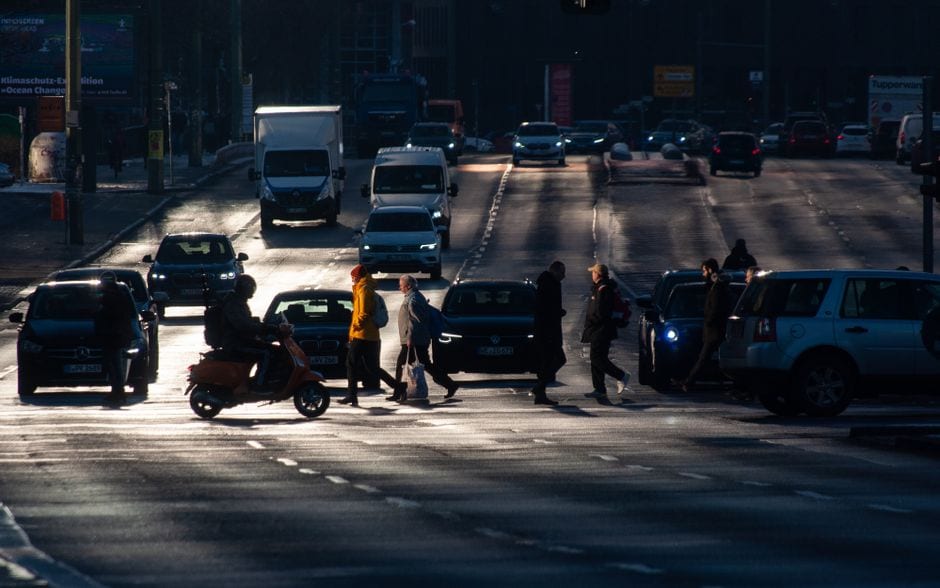
For drivers crossing Quezon City, the return of the no contact apprehension policy brings a familiar question: will cameras make roads safer without penalizing honest mistakes?
The policy has resumed in parts of Metro Manila, including Quezon City, Manila, Parañaque, Muntinlupa and San Juan.
Its return has drawn mixed reactions from motorists who share the same crowded roads but face very different pressures behind the wheel.
Supporters see NCAP implementation as a way to discourage risky driving, particularly when no traffic officer is nearby.
Others worry that a brief maneuver caught on camera might look like a deliberate violation without the circumstances that explain it.
That concern matters on streets where construction, lane markings and sudden traffic changes can leave drivers with little room to react.
Under the system, CCTV traffic enforcement records suspected offenses and vehicle plate numbers without requiring an officer to stop the motorist.
Authorities review the footage before a notice of violation may be sent to the vehicle owner.
Improper lane changes and crossing solid lines are among the actions cameras can detect.
For taxi drivers and other motorists earning a living on the road, the possibility of a costly ticket adds another worry to an already demanding day.
Penalties under the applicable Metro Manila traffic rules range from P500 to P3,000, depending on the offense.
Officials say motorists who receive an incorrect citation can challenge it through the relevant traffic office.
In Manila, a motorist may file a protest within 10 days of receiving a notice, allowing an adjudication board to review the case.
Officials have acknowledged that some past citations were voided after drivers explained circumstances the footage did not fully show.
That review process could be the difference between public trust and frustration for drivers who feel a camera missed the full story.
Manila began its rollout with warnings during a dry run, while Valenzuela postponed its planned return because of road construction.
The broader resumption followed a Supreme Court decision that cleared a legal obstacle to the policy.
For Quezon City motorists, the practical advice is straightforward: watch lane markings, follow traffic rules and examine any notice carefully.
But fair enforcement will require more than sharp images; it will depend on careful reviews when the road tells a more complicated story. |
0 Comments
Join the conversation
Be the first to comment
Share your thoughts above.